Quality Assured, Industry-Proven, and Ready for You
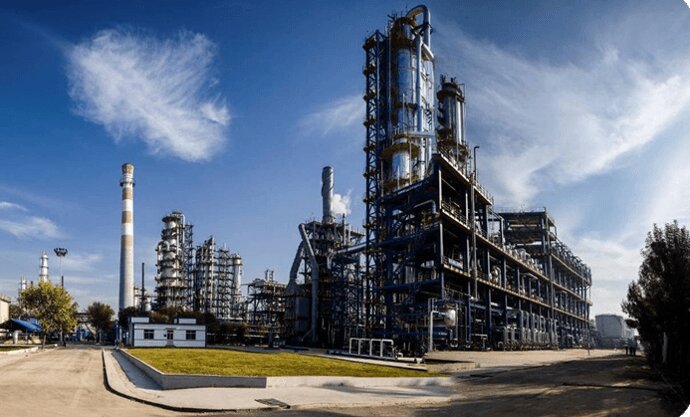
Our products meet international quality standards with rigorous testing and certification processes.
Continuous innovation drives our product development, ensuring cutting-edge chemical solutions.
Our skilled professionals provide technical expertise and personalized support for every client.
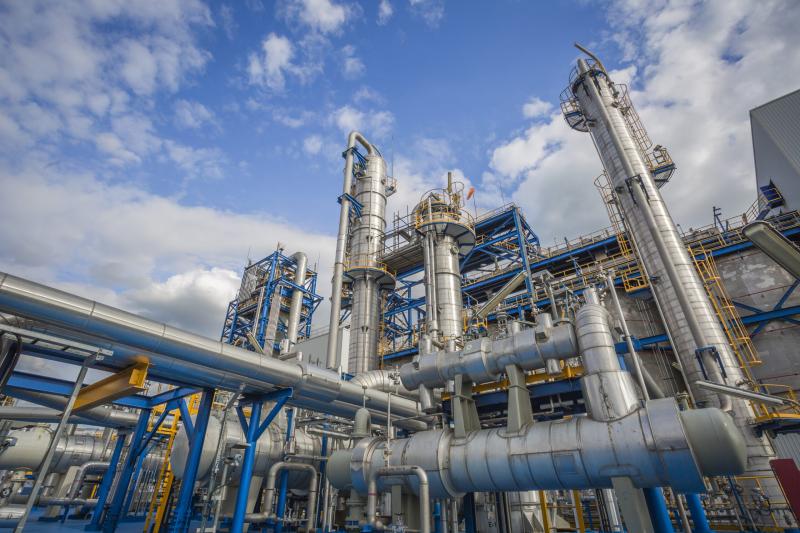
Factories don’t run on headlines or sales pitches. They run on workers, machinery, the trust built with partners, and the discipline learned from daily operations. Befar Group Co., Ltd. stands as a prime example of a chemical manufacturer that grew not through luck, but through years poured into infrastructure, real technical upgrades, and risk management. In this business, real growth comes from heavy investments in process reliability and from the people who keep the production lines moving safely. For those outside the industry, it’s easy to overlook how stability breeds trust: customers want to know that a shipment promised will arrive on time and with the exact chemical composition required. Consistency isn’t possible without robust systems in place for quality control, plant safety, and workforce development. Over the years, environmental scrutiny has pressured the sector to do better—and rightly so—but not every company truly answers that challenge. The serious manufacturers, the ones with a future, invest in monitoring, advanced catalytic technologies, containment, and wastewater treatment that actually delivers lower emissions and keeps communities safe. Befar’s long-term approach here earns respect, not just in contracts, but in living up to legal and moral obligations. Many talking about specialty and bulk chemicals focus on numbers: capacity, cost, tonnage shifted to market. Reality is more complex. As a manufacturer, the challenge comes in aligning what’s coming out of reactors with what the world actually asks for. Over the last decade, drastic changes in logistics, raw material volatility, and changing safety regulations forced us to rethink everything from procurement deals to packaging. Befar has managed to keep product flow stable, even as tariffs shift and international supply chains stumble. Local sourcing gets more focus, not just for cost, but to steady inventory. Improvements in plant digitalization make a difference: tighter tracking, proactive maintenance, and faster troubleshooting can prevent days of downtime. One-off exporters and traders can sidestep these headaches. For a large-scale manufacturer like Befar, reliability counts for everything. It means managing risk, not just chasing quick gains. In the chemical industry, safety and compliance can never be afterthoughts. Each molecule produced presents a chain of responsibilities, stretching from the plant floor to the communities around us. Befar’s operations have evolved, not just to meet but to anticipate tighter environmental controls. Advanced separation units, closed-loop water systems, and waste gas handling lines didn’t come cheap or easy. But cutting corners or turning a blind eye puts every license, every job, and every local river at risk. Inspectors do visit, sometimes without notice, and it pays off to stay audit-ready at all times. Injuries and releases damage reputations that take decades to build. That’s why every major process change undergoes rigorous HAZOP reviews, where lessons from prior incidents shape safer, smarter procedures. Digital monitoring systems track critical equipment almost in real time. Regulatory pressure, along with market demand for “green chemistry,” pushes steady investment into sustainability, not as a badge, but as a baseline requirement. Befar’s experience teaches that no automation replaces a skilled, experienced workforce. True operational excellence flows from worker training, technician buy-in, and healthy work culture. Retaining skilled operators isn’t solved through slogans or lectures; people stay where they see the company backing careers with training, advancement, and fair compensation. Engineering improvements, such as process intensification or advanced catalysts, unlock cost savings and lower emissions only if staff understand and embrace the changes. Research partnerships and collaboration with universities breathe life into practical innovation. On the ground, that means investing in instrumentation labs, scaling up pilot lines, and listening to the people running the plants. Upgrades to safety systems, smarter waste heat recovery, and the introduction of novel catalysts come from years of patience and learning what works under real production conditions. No manufacturer survives long by treating production as just a numbers game. Clients depend on more than stated specs. They expect absolute clarity about what’s being shipped, what risks exist, and how issues will be fixed if they emerge. Earning trust at scale takes daily discipline—transparent on-site audits, data sharing, and continuous improvement. Befar’s history includes tough years, volatile markets, and hurdles with equipment. In the most difficult moments, companies show their true character by communicating plainly and doing what’s needed to protect partners and end-users. Those who try to hide or deflect lose more than orders—they lose their place in the network of genuine producers. Chemical manufacturing adapts in an unpredictable world. Transitioning to lower-carbon processes, adapting to new overseas regulations, and fielding questions about product lifecycle or origin create pressure both technical and ethical. Experience shapes how a manufacturer navigates these. Befar has moved to reconfigure production lines for greener outputs, working with both domestic and international groups demanding more responsible supply chains. It’s not just about compliance reports. It’s about using lessons from decades in the field to adjust recipes, reduce waste, and still hit targets on cost and performance. The honest work happens behind factory gates—hour after hour of checks, training, and fine-tuning. Industry reputation does not rest on any one year’s profits or awards. It’s formed by the habits, investments, and responsibility demonstrated decade after decade. Befar Group Co., Ltd. serves as a signal for what manufacturers must bring to the table in the chemical sector today: technical depth, accountability, operational fairness, and a focus on the full chain of consequences. Corporate slogans won’t bridge the gap between empty promises and safe, reliable operations—the only thing that will is the steady, patient work from people who know what’s at stake. Mobile: +8615380400285E-mail: sales2@liwei-chem.comWebsite: www.befar-group.com
Read More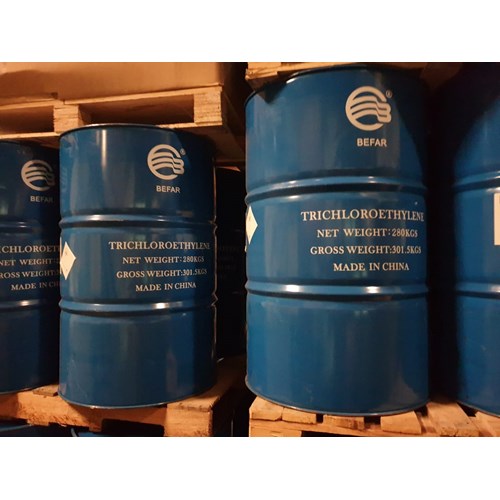
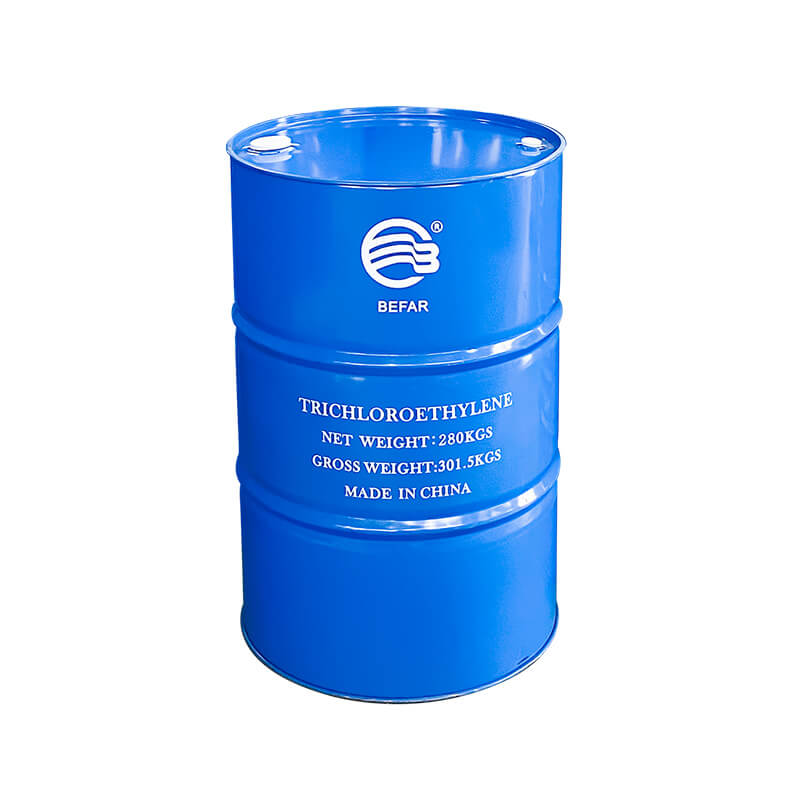
At our plant, every batch of trichloroethylene reflects years of focused investment and training. We see raw materials come in every day, check them for purity, and watch layers of distillation equipment separate the right fractions. The public discussion about Befar trichloroethylene often centers on broad things like “quality” and “compliance,” but behind each shipment, there’s more honest, hands-on labor than any marketing copy ever mentions. Every tank car loaded goes through rigorous sampling. On the production floor, efficiency isn’t some fixed target—every run means tracking minor shifts in temperature or feedstock quality, then making real-time adjustments to reactor temperature and pressure. If one parameter drifts, color or purity weakens, and you might lose a hundred tons to the waste stream. No checklist solves those headaches; strict attention and technical skill do. Solvent qualities like volatility and degreasing power make trichloroethylene valuable, but each customer’s application exposes any shortcut we take. In vapor degreasing plants, even a trace contaminant turns into a streak or residue after parts dry. In pharmaceuticals, unclean trichloroethylene brings batch rejections and scrutiny from regulators who don’t forget. When we see other suppliers struggle with dips in quality after process upsets or mislabel drums, downstream users pay the price. We invest not only in advanced fractionation, but in deep process knowledge so that we can troubleshoot fast. With new pressure on environment and safety standards, we can’t afford even a sniff of non-compliance. Inspectors visit, neighbors notice odors, global buyers demand proof of production control—these aren’t just boxes to tick for compliance’s sake. Each factor impacts real people’s health and our own licenses to operate. We make sure operators wear the right gear and monitor exposure levels in the air, not because rules demand it, but because we’ve seen the impact of chemical mishandling. Trichloroethylene procurement isn’t a faceless spreadsheet. Each time a refinery starts up or shuts down, our schedules flex and we call alternative suppliers. It’s not rare for orders to spike because an overseas plant halts production unexpectedly. This volatility often brings out traders looking to move cargo quickly, sometimes mixing grades or repackaging under new names. We field many requests from buyers who want to know if our material truly originates in-house. We invite them in. Our records show batch numbers, operator logs, and every source lot that contributed to a final shipment. Traceability means more than paperwork; customers from major automotive plants or electronics producers watch us sample on the spot and test before their eyes. Anyone can make a claim, but only those who invest in systems and transparency hold up during audits. Stories of product blending or purity discrepancies damage the market long-term and put pressure on serious producers investing in longevity. The landscape for trichloroethylene grows complex. Environmental regulation doesn’t pause for supply chain hiccups. Over the last years, new emissions monitoring tech arrived, and community watchdogs share data online when they catch excess fugitive release. In our region, authorities push for advanced incineration units and vapor recovery, not just end-of-pipe treatment. Older plants get caught in costly upgrades. We network with other core manufacturers, compare compliance strategies, and advocate for science-based policy as a united voice. Some smaller players might duck enforcement for a while, undercutting pricing, but their cost-cutting measures sidestep investment needed for safer communities. We see the headlines when companies cut corners and it’s always the producers, not the middlemen, left to rebuild trust. So we push for better enforcement, invest in process safety, and remain transparent during inspections—because there is no shortcut past reputation damage or shutdown threats once a regulatory body acts. Sustainability carries real weight in the trichloroethylene business. Decades ago, little attention landed on emissions post-degreasing; today, our R&D explores closed-loop systems and alternatives that cut workplace exposure. Customers from multinational manufacturing chains request third-party audits not just on our final product but on wastewater treatment, energy consumption, and residual byproducts. Groups advocating for worker safety and green chemistry don’t simply critique—they push industry toward continuous improvement. We pay attention, collect spill data, and study potential replacements in cooperation with academic labs. Still, scale matters. Many “greener” replacements float in specialty catalogs but lack the volume, efficacy, or price point for mass adoption. To move these solutions from pilot projects to plant-scale production, we coordinate with equipment makers and end users. We welcome regulation that rewards those who pioneer best practices. Real innovation occurs in dialogue with partners who know their own operational risks, not in isolation or haste. Every year, we dedicate resources to maintain electrical, mechanical, and analytical infrastructure. Field units catch ppm-level leaks and routine bench testing in our labs finds early warning signs of off-spec batches. We decide on capital improvement based on long-term partnerships, not speculation—steady customers deserve reliability, not market-driven volatility. Disruption in global logistics means holding larger safety stocks and sometimes absorbing cost increases, but we choose to supply regular customers first in shortage periods. Relationships depend on more than price. We know who calls when a vessel delays, who needs weekend technical support, who checks product on arrival. Trust takes years to build and a single lapse to lose. That trust relies as much on the transparency of our operation as on the visible purity printed on a certificate of analysis. Bureaucratic barriers, surprise audits, even competitive rumors never unsettle a partnership based on deep engagement between chemists, operators, and the people using our product daily. The push for safer handling and lower environmental impact continues to define the future of trichloroethylene. Global attitudes are shifting. Market stakeholders don’t just count on a reliable supply—they expect involvement in standards setting and demand scientific evidence that manufacturers act responsibly. We respond with open invitations for customer audits, frequent dialogue with regulators, and internal programs that reward continuous improvement. No amount of digital bluster or fancy presentations substitutes for getting engineers and customers in the same room, reviewing methods, and facing realities together. Quality and honesty build resilient supply chains, and those who cut corners eventually fall out of the conversation. Genuine manufacturing turns on humble attention to detail, acceptance of shared responsibility, and the will to keep records as clean as the products leaving our gates. Mobile: +8615380400285E-mail: sales2@liwei-chem.comWebsite: www.befar-group.com
Read More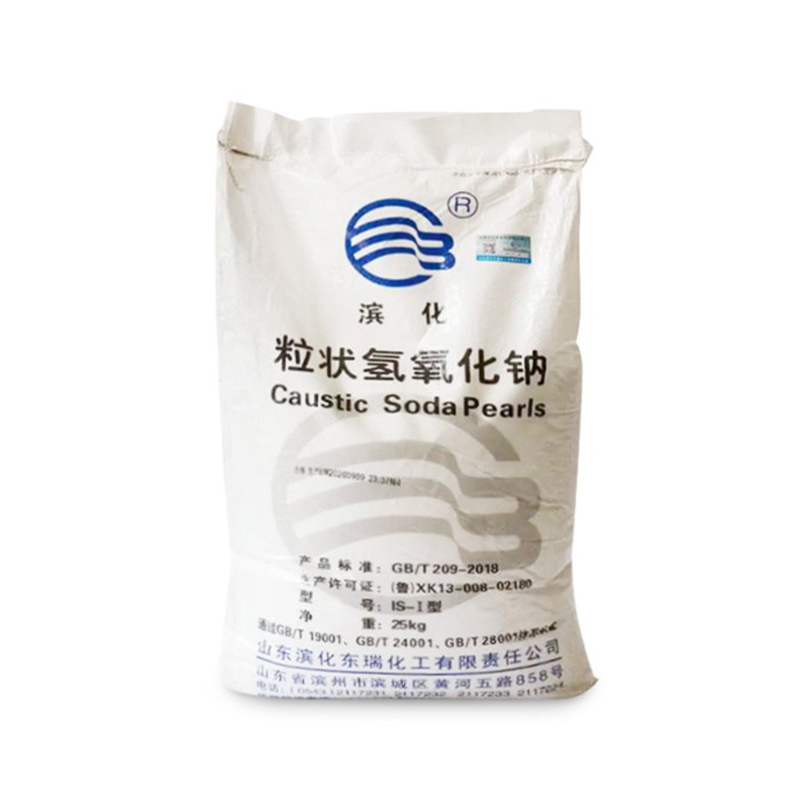
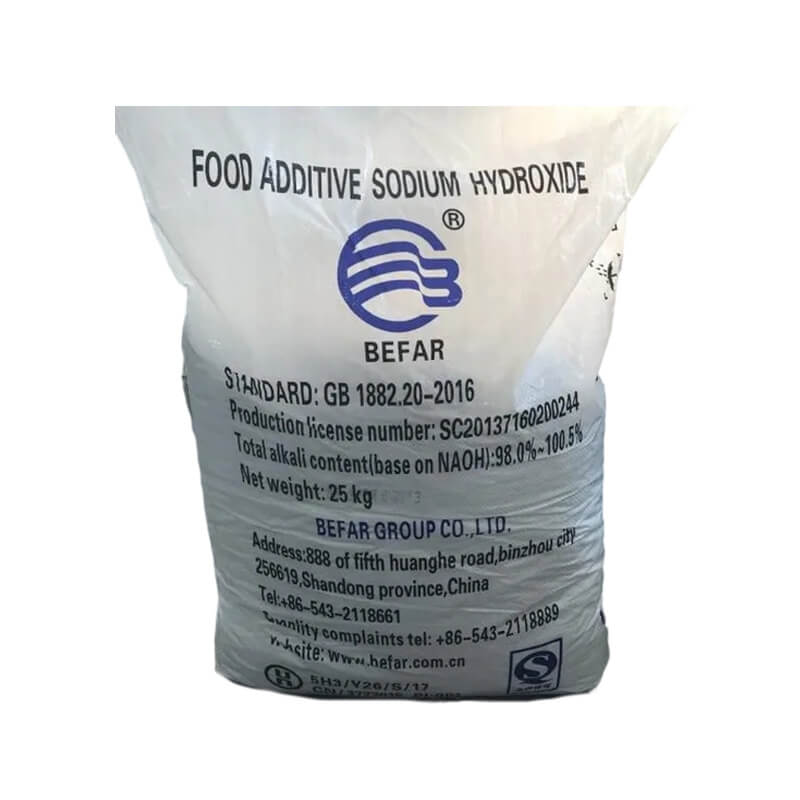
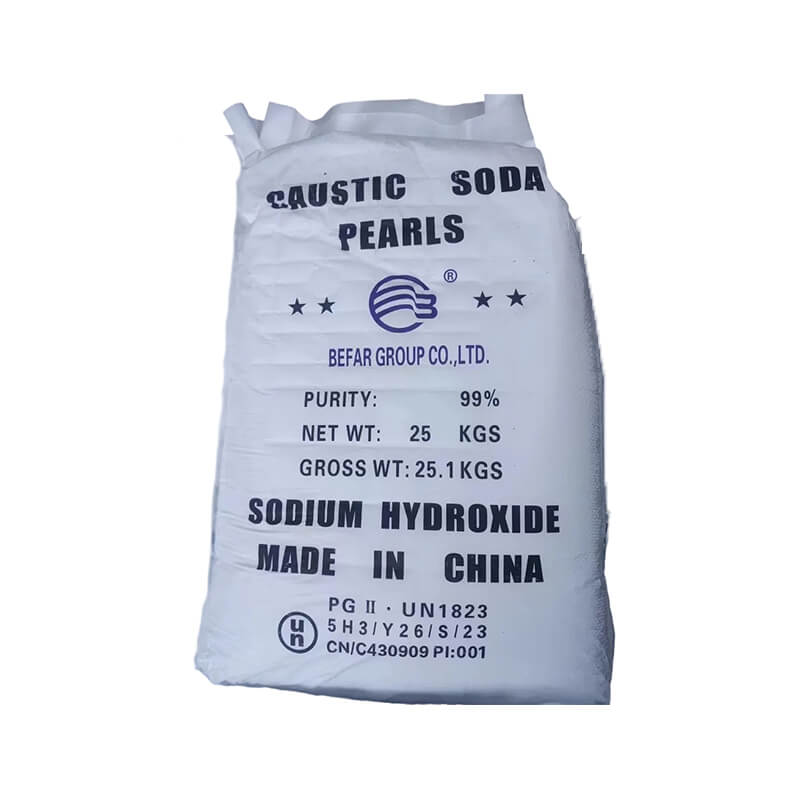
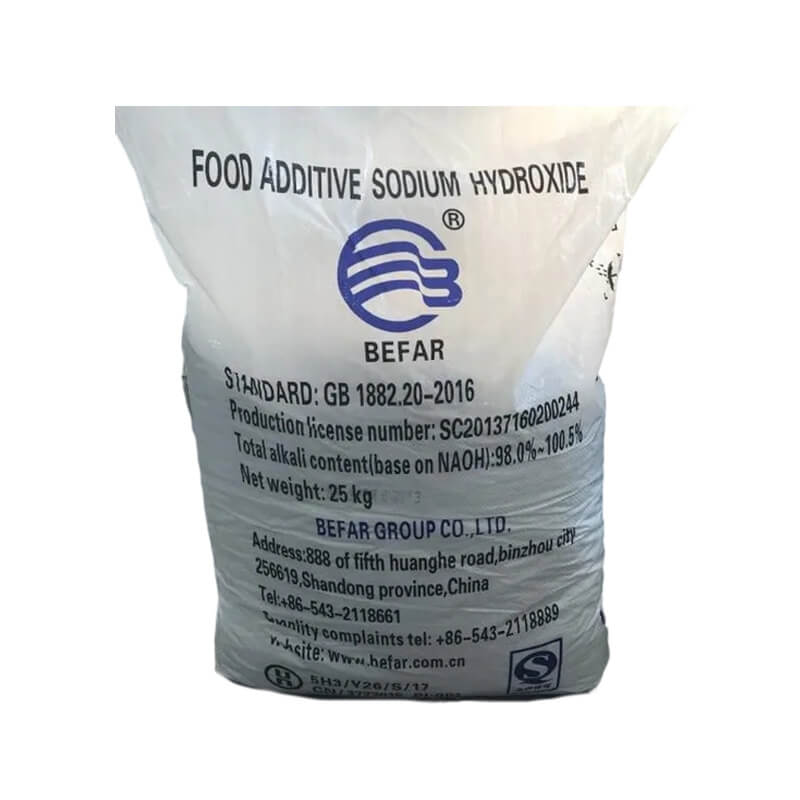
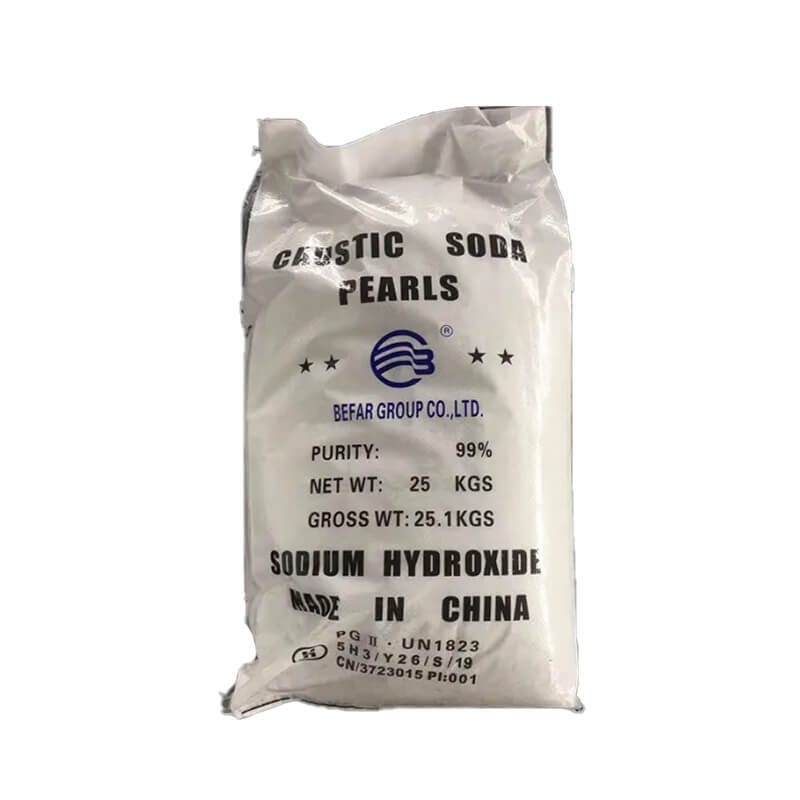
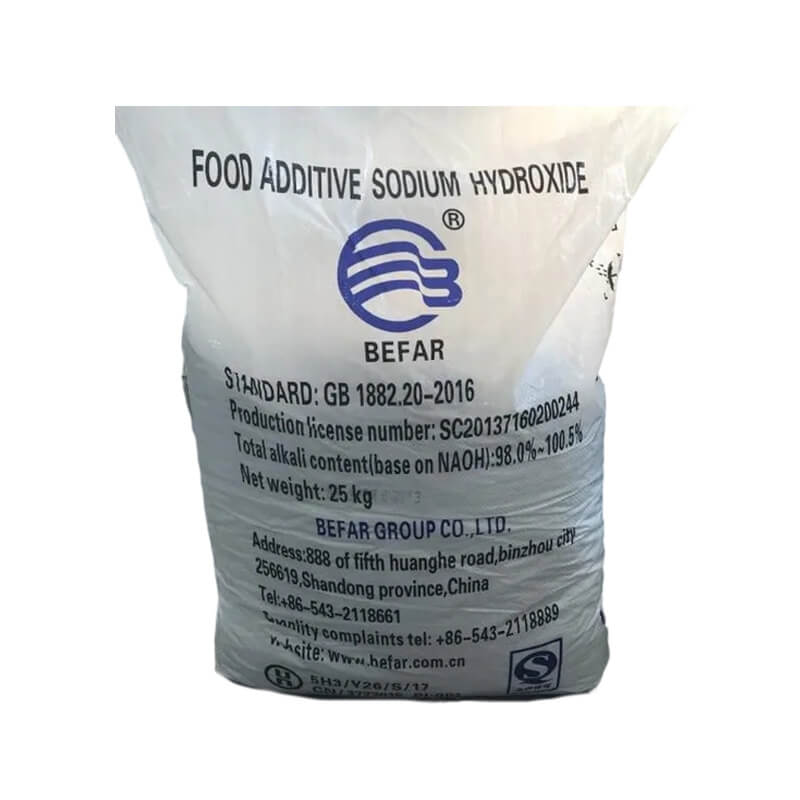
Years of producing sodium hydroxide at our plant in Shandong have taught us that every batch comes with a responsibility. Our sodium hydroxide, known widely as caustic soda, isn’t simply a commodity moving through a trading pipeline. It represents heavy investments in electrolysis technology, skilled operations, and weeks of careful process control. We face the full brunt of volatile feedstock supply, spikes in electricity prices, and tighter local regulations that shape every drum and bag we release. There are no shortcuts on compliance. For us, this means our teams constantly recalibrate process parameters to hit the high purity figure that downstream industries rely on. Lab technicians dial in testing, equipment operators fine-tune input pressures and voltages, and every misstep shows up in product quality or downtime. The reality is, sodium hydroxide only looks simple in a chemical chart. Producing quality at scale challenges both our technical know-how and risk control. The surge in global demand puts real strain on any genuine manufacturer. Whether it’s pulp and paper, textiles, water treatment, or alumina refining, users expect a consistent product that fits their process needs. They aren’t interested in excuses about power cuts or brine inconsistency. For example, during electricity rationing periods, we face tough decisions—growing product backlogs or running partial shifts impacts both delivery timelines and our operating costs. The risk isn’t just about failing a spec; it means someone’s shipment sits unfinished or a plant downstream risks an unplanned shutdown. Customers who visited our premises saw the stacks of materials and real-time monitors—understanding our production is not about trading stock on paper, but about physical assets and real consequences. Sometimes buyers try to chase only the lowest offer. In our experience, this rarely accounts for the realities behind the quote: energy cost swings, aging equipment, and labor shortage can disrupt a lower-price promise. In the long run, end-users suffer from bad product, missed shipments, or hidden contaminants. Environmental and safety pressures continue to rise. We manage corrosive and hazardous substances daily. Proper containment, personal protective equipment, and routine inspections form our basic defense against leaks or uncontrolled releases. Each shift, operators must follow safety drills, harness regulation-compliant storage, and monitor discharge points for any sign of loss. Mandatory emission controls and wastewater treatment require steady investments and close engineering oversight. Our waste brine and vent gases aren’t going into the air or drains unchecked; documentation and audits keep us on our toes all year. Community relations also come into play. For years, we have run visits for local officials and residents, showing them the real layout and safeguards in place. We built buffer zones and strengthened fencing not only to meet legal minimums, but to maintain trust with neighbors. Any incident, even minor, risks years of negative attention. We invest in positive relationships because they matter as much as good product. The world’s demands for greener processes have forced us to review every step. Efforts to recycle brine, recover heat, and implement cleaner energy all push up production overhead. These upgrades do not carry direct payback in a single financial year, but over time, they help keep our operations viable and competitive under new rules. For instance, we have integrated online monitoring systems to track power consumption and minimize waste, well before government mandates came. In practice, this decision shortened our production cycles and improved batch traceability—a win for both efficiency and transparency. But the capital outlay for automation or waste recovery gets little attention in ticker headlines, though it shapes long-term business survival. Quality can’t be bolted on at the end. Problems in sodium hydroxide manufacture start from attention paid to brine purification and persist through each cell room circuit and filtration stage. If a system fails or a raw material arrives off-spec, the whole batch gets rejected or reprocessed—at considerable cost. We don’t rely on hope for product safety; process alarms and analytics flag deviations before they become major issues. Downstream, our onsite packaging teams ensure every container gets checked for strength and sealing. “Good enough” never flies in this business, especially with international customers who send inspectors or demand multi-point certificates. Years of exporting taught us that regulatory standards at customs are getting stricter, not looser. Routine rejections leave a mark on reputation, which is hard to regain once eroded. Market disruptions have become the rule rather than the exception. In the past few years, we battled global logistics breakdowns, power caps at provincial borders, and exchange rate swings that wiped out margins. As a factory, not a reseller, we cannot simply change our sourcing overnight or hedge every risk with contracts: procurement cycles and machinery maintenance don’t bend to market headlines. Staff retention remains a true pain point. Younger workers hesitate to enter or stay in production jobs, so we lean into training, retention bonuses, and leadership opportunities. Our front-line employees run the heart of the process, and losing know-how means more downtime or errors. Keeping these teams engaged is as vital as replacing worn pumps or recalibrating analysers. Looking forward, our biggest pressure point sits in energy management. Electrolytic sodium hydroxide manufacturing remains energy intensive. Partnering with utilities, exploring onsite renewables, and collaborating with research institutes allow us to explore technical improvements that could eventually lower our power dependence. We monitor carbon footprint closely and participate in local carbon credit programs, both to adhere to tightening mandates and to prove, with records, that progress comes from the shopfloor rather than a promotional brochure. We welcome more dialogue with downstream industries, researchers, regulators, and stakeholders. Only eye-level conversations—on what production really involves—help avoid misunderstanding or misplaced bets on unrealistic pricing. Sodium hydroxide is as much about trust as it is about technical formula, and trust grows each day at the plant as small decisions stack up to shape reliable, safe, and compliant production. Long-term relationships, not one-off spot deals, drive improvement and sustainability. For every drum filled and shipment sealed, there’s a human story of work, adaptation, and accountability behind it. Mobile: +8615380400285E-mail: sales2@liwei-chem.comWebsite: www.befar-group.com
Read MoreYour reliable partner for high-quality chemical solutions.
Get In Touch